Boxing numbers: what one-two-three means
Coaches call punches by number. Learn six numbers and you can follow any combination called at you.
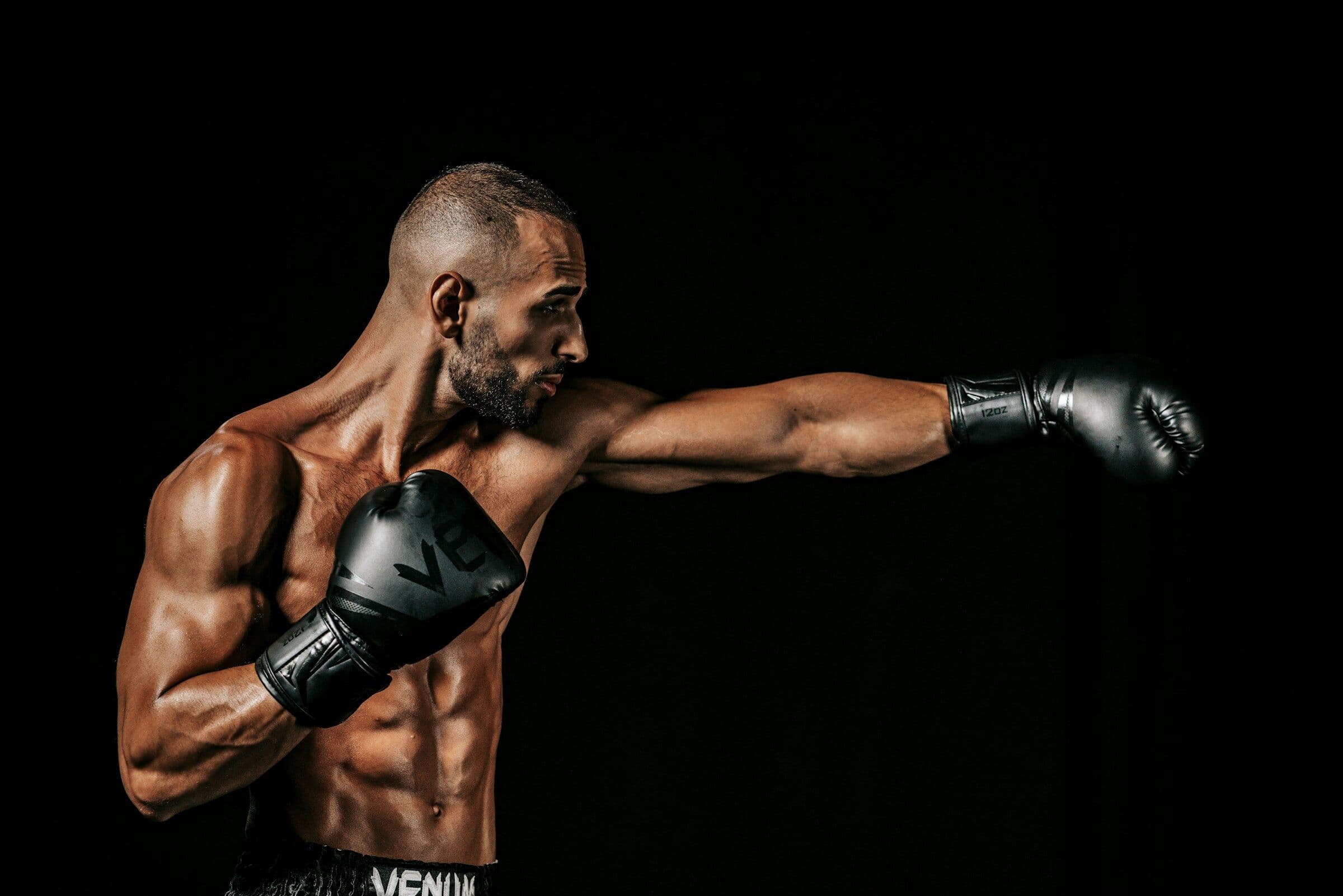
Walk into any boxing gym and you’ll hear a coach shout “one-two!” or “one-one-two-three!”. It isn’t code for the initiated. It’s the quickest way to say which punches to throw, and it takes a minute to learn.
The six numbers
- 1: Jab. The lead hand, straight out and straight back.
- 2: Cross. The rear hand, straight, driven by the hip.
- 3: Lead hook. A short arc from the lead side.
- 4: Rear hook. The same arc from the rear side.
- 5: Lead uppercut. Up the middle from the lead side.
- 6: Rear uppercut. Up the middle from the rear side.
1 · Lead hand
Jab
Your fastest punch: the lead hand, straight out and straight back.
- Snap it out from the chin; the palm turns down as the arm straightens.
- The rear hand stays glued to your cheek.
- Back on the same line, just as fast.
The usual mistake: Dropping the hand on the way back, which leaves your chin open.
The pattern makes it easy to remember: odd numbers are your lead hand, even numbers your rear hand. If you box orthodox, your lead is your left; southpaw, your right. The numbers mean the same thing either way.
Putting them together
A combination is its numbers in order. “One-two” is a jab then a cross: the most useful combination in boxing. “One-two-three” adds a lead hook. “Two-three-two” starts with the cross. Say them in your head as you throw and they soon become one movement.
How to practise
Start with single numbers until each punch comes back to your chin on its own. Then add the one-two, and only then the longer strings. Speed comes last: a clean one-two beats a sloppy five-punch flurry every time.
Every punch, with what to get right and the mistake to watch for, is in the punch guide. And if you want someone to call them at you, that’s what the coach is for.